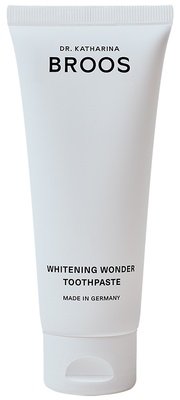
Where Dental Health Meets Beauty
Brilliant white or healthy in the long term - do you have to choose?
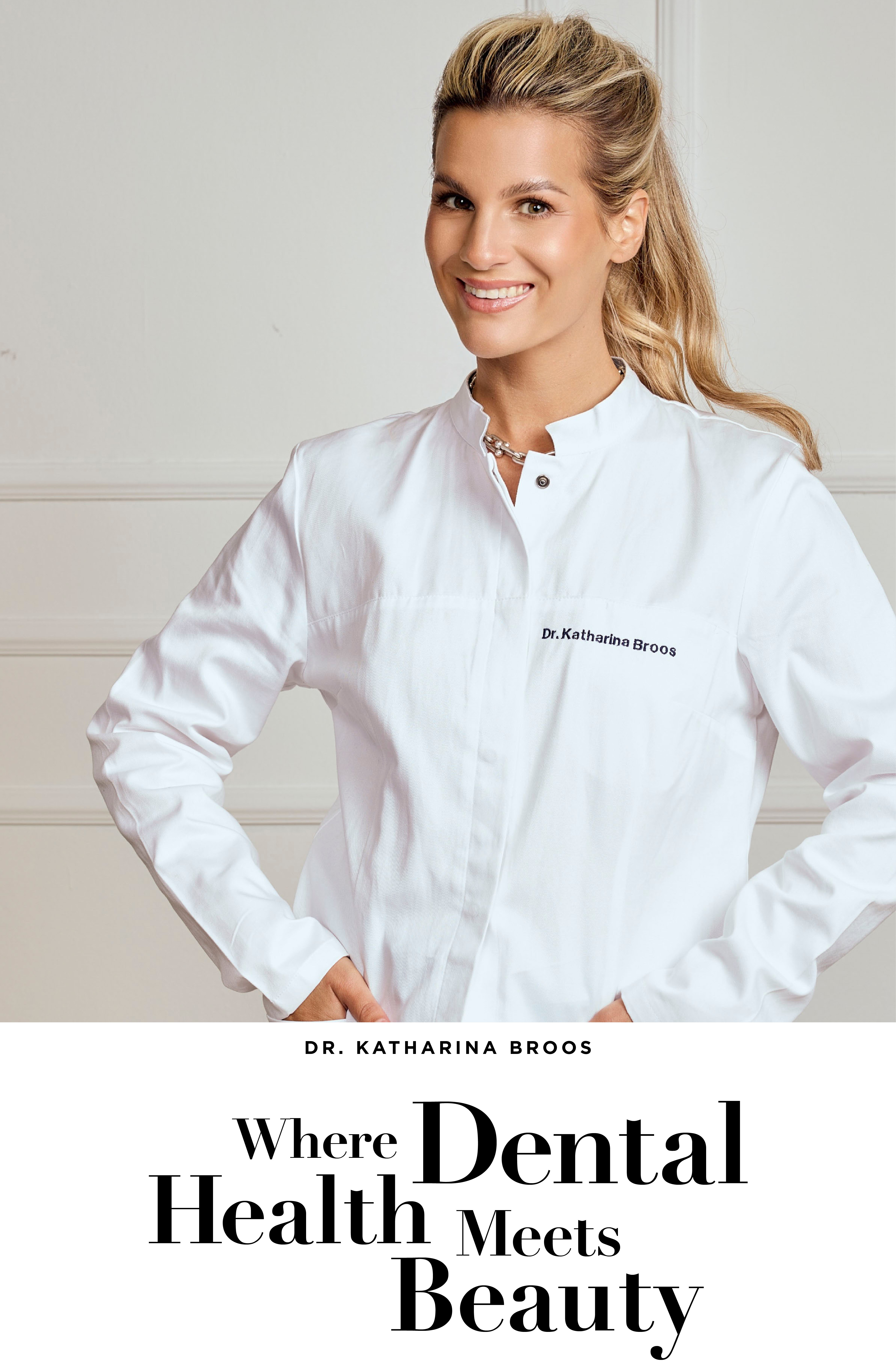
Whitening Wonder arose from your daily work as a dentist. Was there a specific "aha" moment?
The desire for gentle, aesthetic whitening is an integral part of my daily practice work. The decisive aha moment was the realization that plant enzymes such as papain and bromelain can effectively remove discoloration without damaging the enamel - because whitening should not be a compromise between beauty and health.
What does your personal dental care routine look like?
I start in the morning with oil pulling and tongue scraping. After breakfast, I brush with a gentle, enzymatic toothpaste and floss daily. I clean particularly thoroughly in the evening, especially after coffee or wine, to prevent discoloration. For me, dental care is a conscious self-care ritual.
Whitening is a sensitive subject. What advice would you give if you are afraid of sensitivity?
Healthy teeth and gums are the basis. Professional prophylaxis is always the first step. For everyday life, I recommend gentle, enzymatic approaches. Realistic expectations and individual advice are important.
What is the difference between enzymatic whitening and abrasive methods?
Enzymes have a biochemical and gentle effect, whereas abrasive methods rub mechanically and can damage the enamel in the long term.
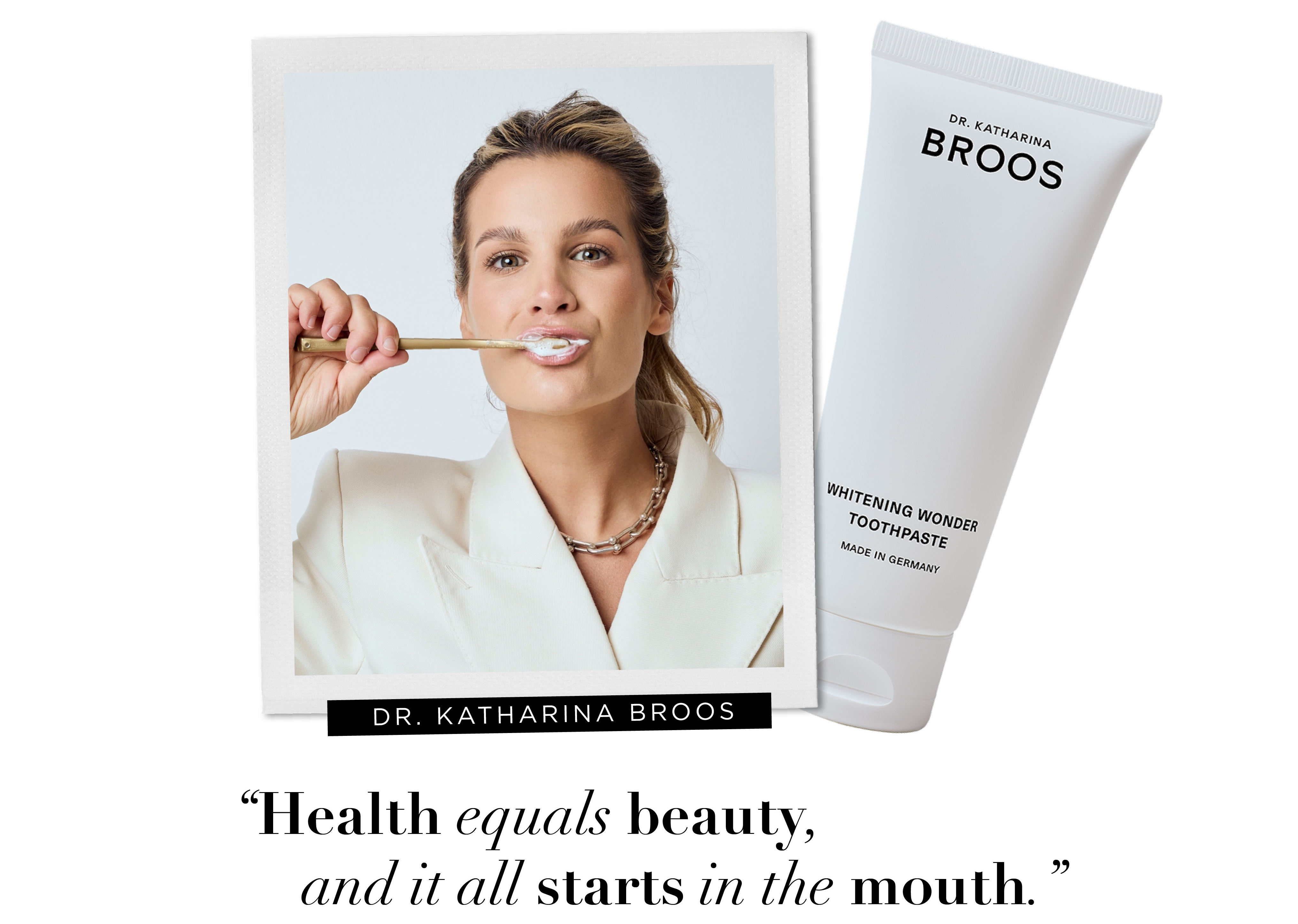
And what role do diet and lifestyle play?
Drinks such as coffee, tea or red wine have a strong influence on tooth color - but don't worry, it's not about doing without, it's about being conscious. Drinking water after coffee or not "sipping" acidic drinks throughout the day can make a big difference.
What can homecare do - and when do you need professional treatments?
Good daily care can preserve and prevent a lot. Professional treatments are useful for deeper discoloration or more complex initial situations - the two complement each other ideally.
To conclude: Your credo for beautiful teeth?
Health equals beauty - and it all starts in the mouth.